
When Should a Small Business Upgrade to Managed IT
March 16, 2026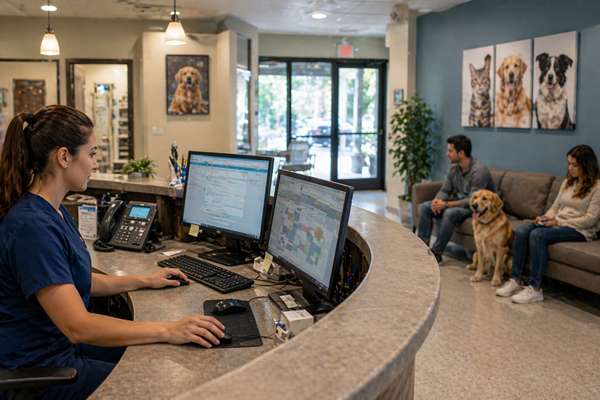
Why Animal Hospitals in San Diego Experience Slow Systems During Busy Hours
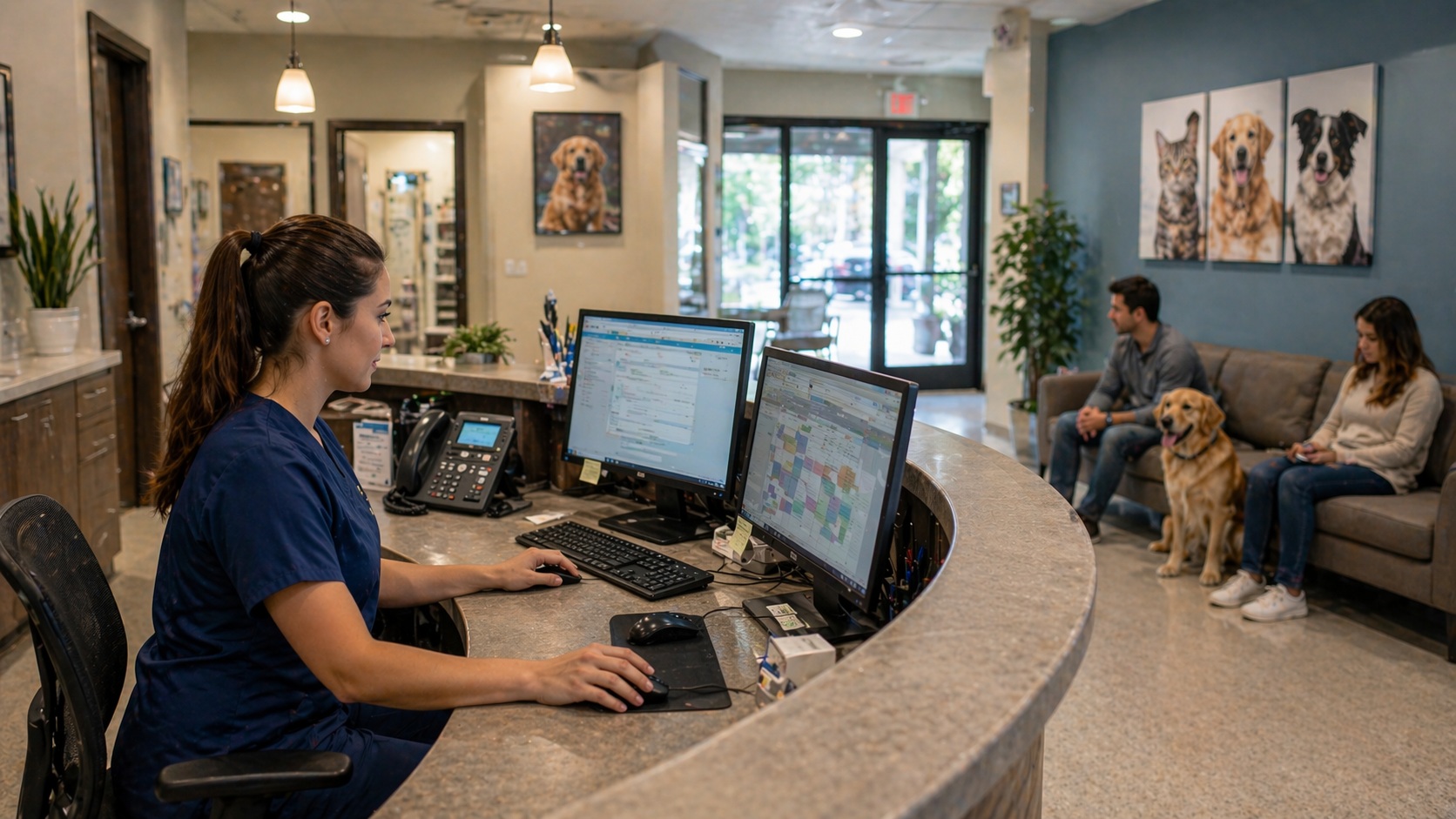
Many animal hospitals notice the same pattern. Systems run normally in the morning, then slow down as the day gets busier.
Front desk staff wait on screens to load. Patient records take longer to access. Check-in and checkout begin to back up.
These delays are often treated as minor issues, but in most cases they point to underlying limitations in the clinic’s IT environment.
What Clinic Owners Typically Notice
Vet clinics in San Diego rely on a combination of local servers, cloud platforms such as Microsoft 365, and veterinary practice management systems such as IDEXX Cornerstone, all of which must perform reliably during busy clinic hours.
Most performance issues follow a predictable pattern.
- Systems slow down during peak appointment hours
- Staff wait on computers at check-in and checkout
- Practice management software becomes less responsive
- Imaging or patient records take longer to load
- Multiple small issues start happening throughout the day
These problems affect daily workflow, even if systems are not fully down.
What Causes Slow Systems in Animal Hospitals
Slow performance is rarely caused by a single issue. In most cases, it is a combination of infrastructure limitations and system design.
Server Capacity Limitations
In many clinics, practice management systems, imaging, and file storage all rely on the same server, which increases load during peak usage.
As more users access your system at the same time, the server must handle increased demand. If the system was not designed for current usage levels, performance drops during busy periods.
This is especially common in growing practices where patient volume has increased over time.
Network and Wi-Fi Bottlenecks
Cloud platforms like Microsoft 365 or Google Workspace, along with browser-based veterinary systems, rely heavily on stable network performance. Unstable or poorly designed networks can slow down everything connected to them.
Common issues include:
- Weak Wi-Fi coverage in exam rooms
- Network congestion during peak hours
- Outdated network hardware
Even if internet speed seems sufficient, internal network performance can still be a limiting factor.
Aging Workstations
Front desk and clinical staff rely on workstations throughout the day. Older systems can slow down significantly when running modern software or handling multiple tasks.
This creates delays that affect scheduling, billing and patient flow.
System Configuration Issues
Many veterinary systems are installed and left unchanged for years. Over time, performance can decline if systems are not optimized for current usage.
This includes:
- Improper resource allocation
- Outdated configurations
- Lack of performance tuning
Lack of Monitoring and Maintenance
Without ongoing monitoring, small performance issues go unnoticed until they affect daily operations.
By the time slowdowns become visible, the underlying cause has often been building for some time.
Why These Issues Get Worse Over Time
Performance problems rarely appear all at once. They develop gradually.
As your clinic grows:
- More staff access systems simultaneously
- More patient data is stored and processed
- More devices connect to the network
Without adjustments to infrastructure and system management, performance declines under increased demand.
This is why many clinics experience slow systems only during busy hours, not at the start of the day.
What a Stable IT Environment Should Look Like
In a properly managed environment, systems should remain consistent throughout the day, regardless of patient volume.
This includes:
- Reliable access to practice management systems
- Consistent performance during peak hours
- Stable network and Wi-Fi coverage across the clinic
- Workstations that support daily workflows without delay
When these elements are in place, staff can move through appointments without interruption.
Struggling With Slow Systems in Your San Diego Animal Hospital?
Identify what’s causing performance issues and get a clear plan to improve system stability.
No long-term contracts. Flat monthly pricing.
When Slow Systems Become an Operational Risk
At a certain point, performance issues move beyond inconvenience.
They begin to affect:
- Appointment flow
- Staff productivity
- Client experience
- Overall efficiency of the clinic
Recurring slowdowns are usually a sign that the current IT setup no longer matches the demands of the practice.
Moving Toward a More Reliable Setup
Addressing performance issues requires more than one-time fixes. It involves reviewing how systems, network, and hardware work together under real operating conditions.
A structured approach focuses on:
- Identifying performance bottlenecks
- Improving system capacity where needed
- Stabilizing network performance
- Monitoring systems to prevent recurring issues
Many clinics experiencing these challenges eventually start looking into IT support for animal clinics, but the root cause is often tied to the underlying infrastructure rather than the software itself.
If your clinic is experiencing ongoing slowdowns, it may be helpful to understand how a structured IT approach can improve stability. Learn more about animal hospital IT support in San Diego.
Review Your Current IT Environment
If systems are slowing down during busy hours, the issue is unlikely to resolve on its own.
A review of your current environment can identify:
- Where performance is being limited
- Whether systems are keeping up with usage
- What changes would improve reliability
Secure Networks ITC works with animal hospitals across San Diego to maintain stable systems, reduce downtime and support consistent day-to-day operations.
If you are experiencing these issues, scheduling a consultation is a practical next step.
Final Thought
In many animal hospitals, system performance depends on how well core platforms such as Microsoft 365, local servers, and practice management systems are supported and maintained. When these systems are not aligned with daily usage, performance issues become more noticeable during busy hours.
Slow systems are not just a technical inconvenience. In a busy animal hospital, they affect how the entire practice operates.
Identifying the cause early and addressing it properly can prevent ongoing disruption and improve how your team works throughout the day.